
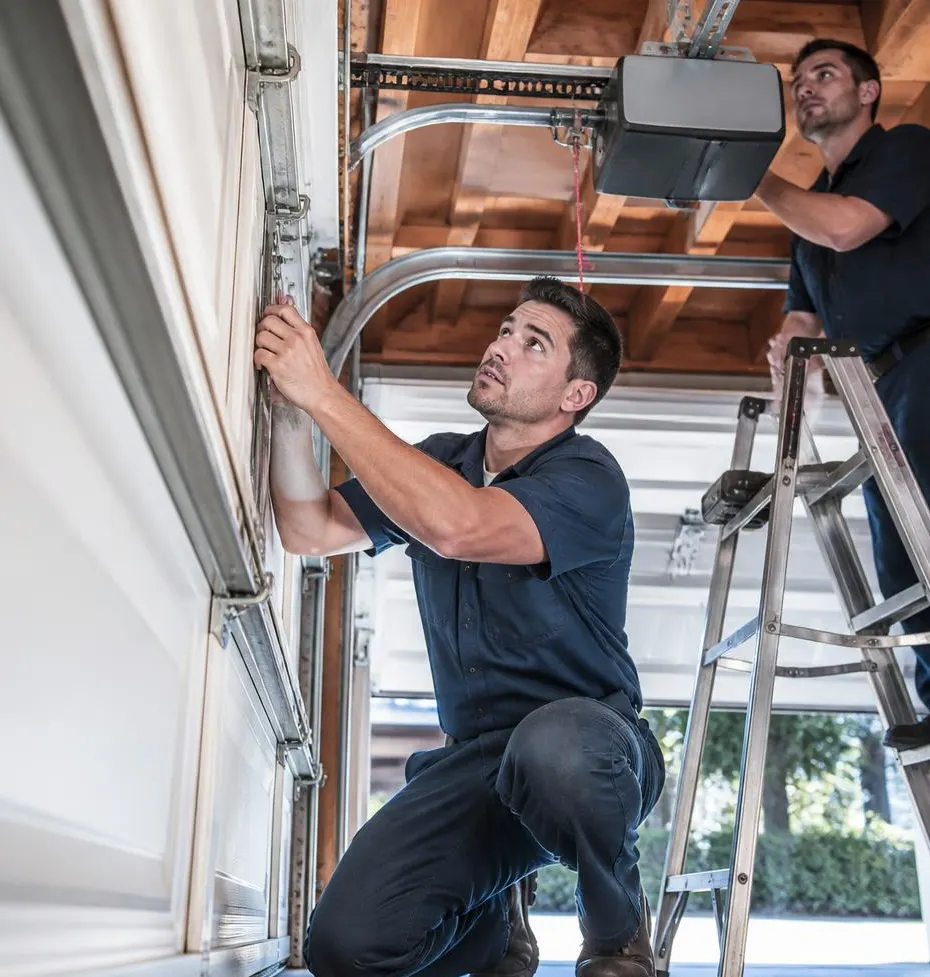
What a Technician Sees This Time of Year
Once October turns toward November, service calls shift in a predictable way. A homeowner calls because the door has started making a sharp grinding or popping noise it never made over the summer. Another says the opener seems to hesitate for a second before the door moves, or that it reverses halfway up for no obvious reason. In almost every case, the door has spent months baking in dry, dusty summer heat with little attention, and now the first cold mornings and early rain are exposing problems that were quietly building all along. Metal parts that were fine when everything was warm and dry start binding or squeaking once temperatures drop and moisture creeps back into the air.
None of this means the door is failing. It usually means it's due for the kind of attention that keeps a system built mostly of moving metal parts working smoothly through a season of temperature swings, rain, and condensation.
Why Garage Doors Struggle in Elk Grove Winters
Inland Elk Grove doesn't get brutal cold, but the shift from hot, dry summers to cooler, wetter winters is still hard on a garage door system. Metal springs and tracks contract slightly as temperatures drop, which can turn a door that was already a little out of balance into one that struggles noticeably. Dust that built up all summer mixes with the season's first moisture and turns into grit that works its way into rollers, hinges, and tracks. And after months of dry weather, factory lubrication on springs and rollers has often worn thin or dried out entirely, right when the door needs it most.
Common Symptoms Worth Watching For
- A noticeably louder door: grinding, popping, or scraping that wasn't there a few months ago.
- Slower or jerky movement: the door hesitates, moves unevenly, or seems to struggle partway through its cycle.
- Opener reversing unexpectedly: often a sign of a misaligned safety sensor or a door that's no longer properly balanced.
- Visible rust or dirt buildup on springs, tracks, or rollers, especially if the door sat exposed to dust for months.
A Practical Pre-Winter Checklist
1. Lubricate the Moving Parts
Springs, rollers, hinges, and the track itself all benefit from a silicone-based or lithium-based garage door lubricant applied before the wet season settles in. Avoid household oils like WD-40 for long-term lubrication; they tend to attract dust rather than repel it, which is exactly the problem after a dusty summer. A few minutes with the right product on each hinge and roller can noticeably quiet a noisy door and reduce wear going into winter.
2. Check Spring Tension and Balance
A simple balance test tells you a lot: disconnect the opener, lift the door manually about halfway, and let go. A properly balanced door should stay roughly in place. If it drops or shoots upward, the springs are compensating poorly, which means the opener motor is working harder than it should. Over time, that extra strain shortens the opener's lifespan and increases the odds of a spring failure during the exact kind of cold, wet morning when you need the door most. Spring adjustment and replacement involve high tension and are not a DIY job.
3. Test the Opener's Response and Battery Backup
Rainy season in this area often means occasional power interruptions. If the opener has a battery backup, test it now rather than during an actual outage. Also pay attention to how quickly the door responds to the remote or wall switch; a delay of even a second or two can indicate aging opener components that are more likely to act up once temperatures drop further.
4. Clean and Realign Safety Sensors
The small photo-eye sensors near the bottom of the tracks are sensitive to dust, cobwebs, and even condensation. A door that reverses for no clear reason is often just reacting to a dirty or slightly misaligned sensor. Wipe both sensors clean and confirm their indicator lights are solid, not blinking, before the first heavy storm arrives.
5. Inspect Tracks for Debris and Minor Damage
Summer dust, leaves, and small debris accumulate in the tracks over months of dry weather. Clear them out and check for any dents or misalignment that could cause the rollers to bind once moisture adds extra resistance to the system's movement.
When It's Time to Bring in a Professional
Some of this is reasonable for a homeowner to handle with basic tools and care, such as lubrication, visual inspection, and sensor cleaning. But if the balance test shows a problem, if you hear grinding that doesn't go away after lubrication, or if the opener is reversing or hesitating consistently, it's time to call in a technician rather than troubleshoot further on your own.
Elk Grove Garage Door handles exactly this kind of pre-winter tune-up through our Garage Door Maintenance service, which covers lubrication, hardware inspection, and balance checks in one visit. If the balance test reveals worn or mismatched springs, our Spring Replacement service addresses that safely, using the correct tension for your specific door rather than a generic fix. Either way, catching these issues now is far less disruptive than dealing with a broken spring or a stuck door during a cold, rainy morning when you're trying to get out the door for work.
If your garage door has been louder, slower, or less predictable lately, don't wait for the first real storm to find out why. Call Elk Grove Garage Door to schedule a pre-winter inspection and keep your door running smoothly through the season ahead.